The Spaces That Hold Us
“Falchas” also known as paati, sattal, or mandap, are more than structures. They are communal resting places, built not just for shelter but for connection. In the past, hotels or guesthouses were not available; traders and travelers stayed overnight in that place. Near “Falcha” there are always water sources like Hiti or a well. So people can drink water and take a rest.
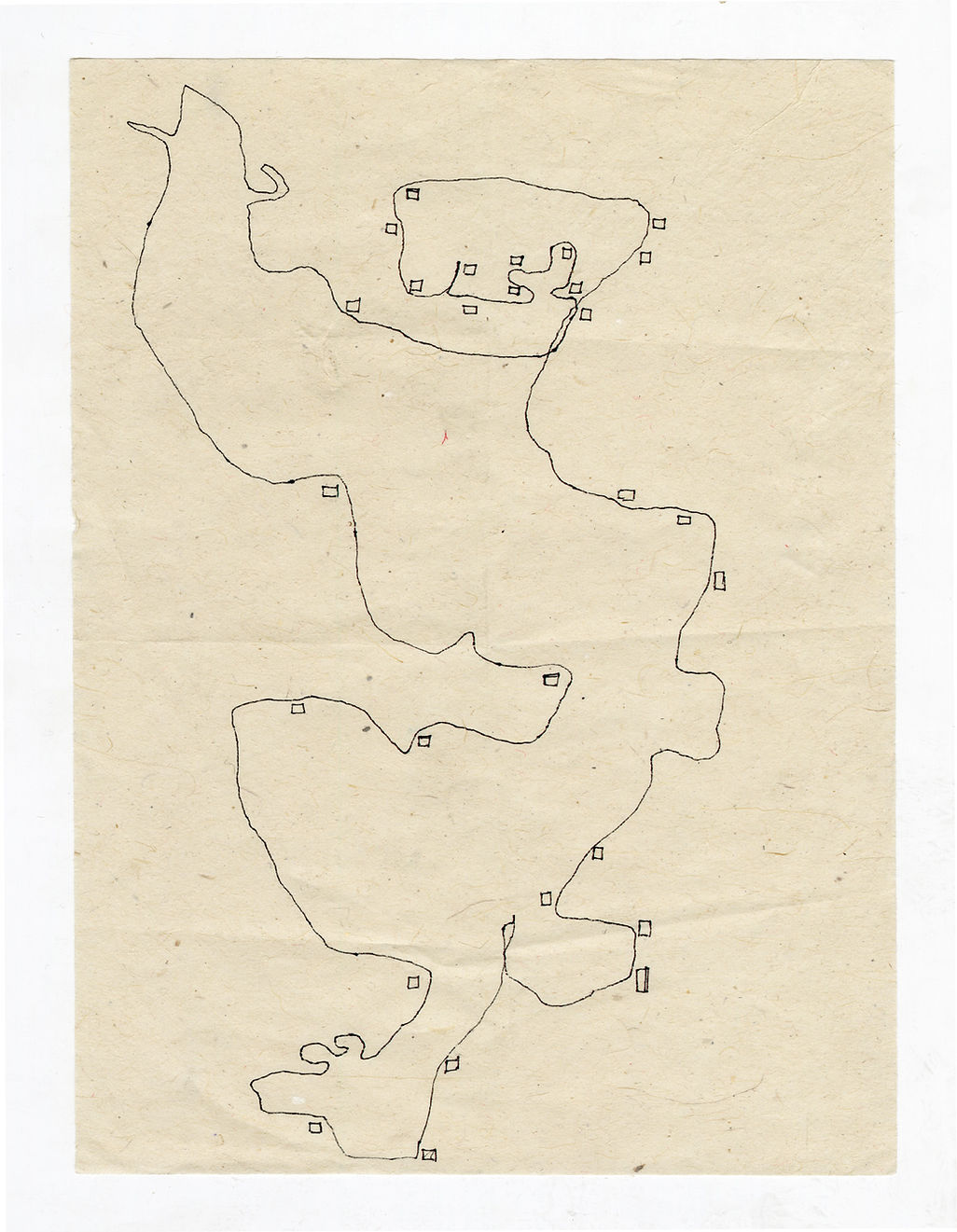
In this journey, I have become that traveler, starting to roam around inside Kathmandu Valley, trying to find connections between that space and those who inhabit those places. In Newar society, the” Falcha” is deeply woven into the rhythm of daily life. These spaces once hosted devotional music, festival preparations, children’s games, political discussions, and casual gossip. They held the intimacy of the neighborhood, binding people together without walls.
But as the city grows and modern life accelerates, these communal spaces are fading. Once vibrant gathering places where people rested, conversed, and shared traditions, many Falchas now stand abandoned or replaced by concrete structures. The deep connections that were once nurtured here between neighbors, travelers, and history itself are slowly eroding. What once was a place of exchange and belonging is now a relic of the past, threatened to be turned into mere memories
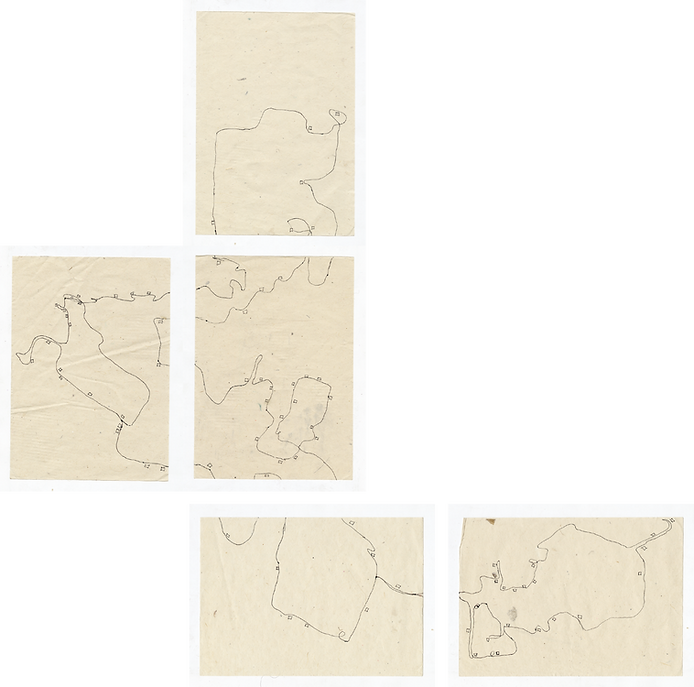


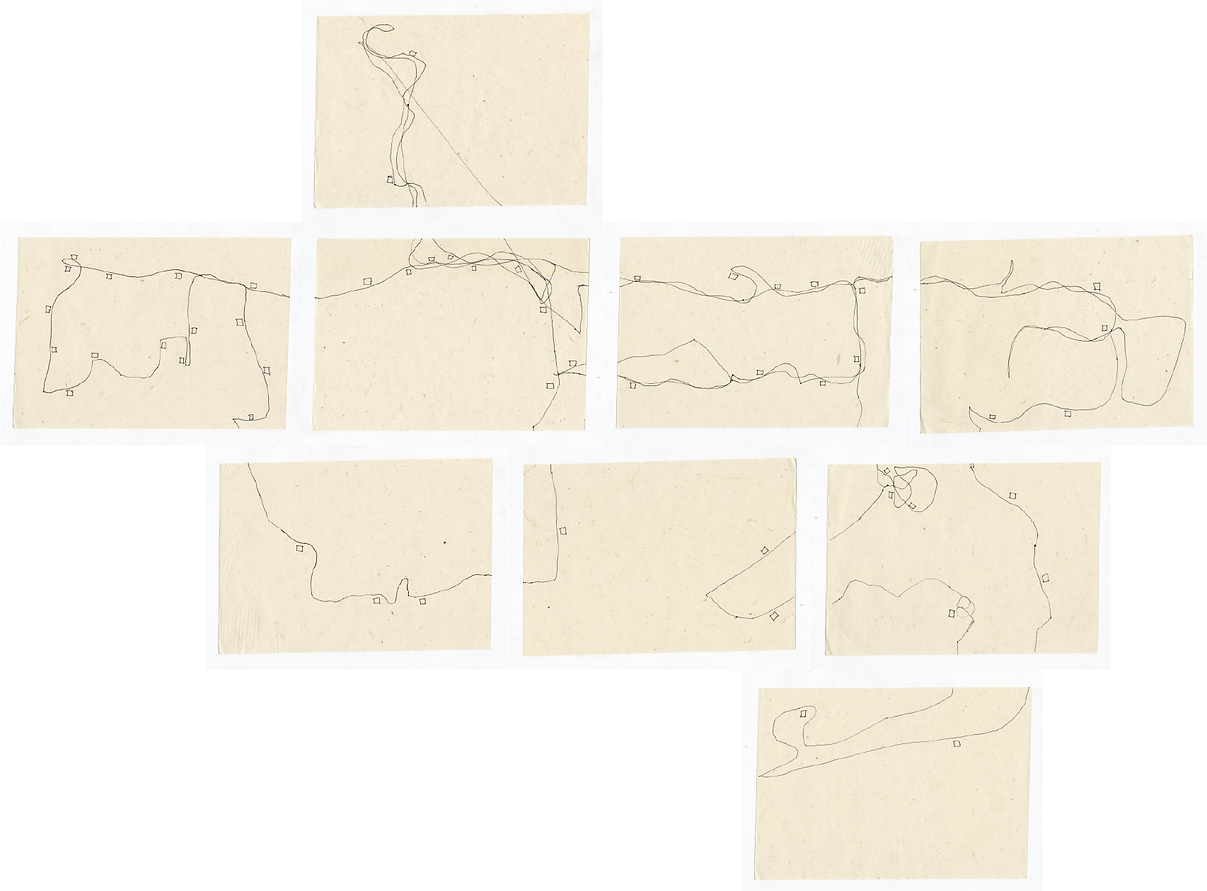
My travel route

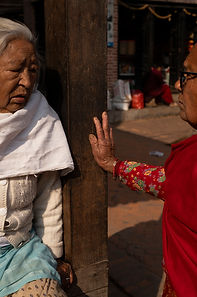
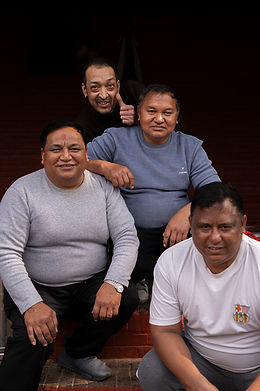


Suman Nepali with his uncles in his childhood
(Picture from Suman Nepali family archive)
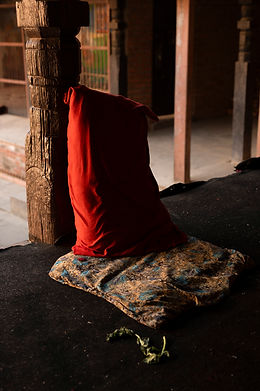
Suman Nepali family program at Swayambhunath temple falcha, Shree Ram Nepalial and his all uncles.
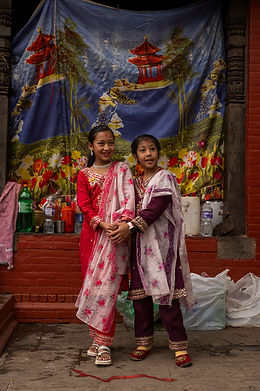
Daughter of Suman Nepali (Sahana with her cousin) at Swayambhunath temple falcha.
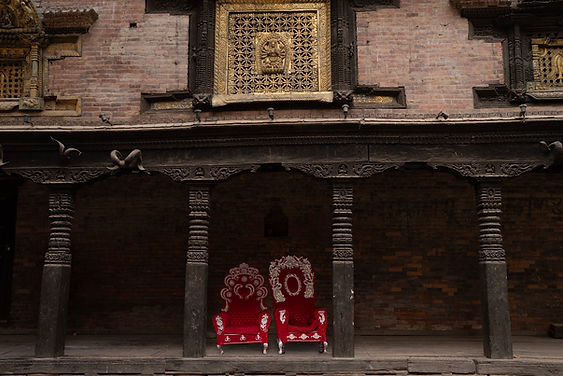

Suman Nepali and Rina Nepali in there wedding day at Bhatrakali Temple, Falcha
(Picture from Suman Nepali Family Album)

Fest of Shree Ram Nepali
(Picture from Suman Nepali Family Album)
This falcha made by Asta Maharjan family

Asta Maharjan and his brother Pradip Maharjan in front there family falcha now.
Asta Narayan Maharjan
He is also a Guthiyar Guthi lead member.
He is 60 years old
Q: Is this falcha made by your father and ancestors?
A: Yes, this was made by my great-grandfather. At that time, I hadn't been born yet.
Q: When was this falcha built?
A: It was made on the (2004 BS) Nepali calendar. When this falcha was made, there was one ropan land, but everybody encroached on the land, and now only this much land is left. It used to be huge before. Now we are preserving the land.
Q: How often has this falcha been repaired since 2004 BS?
A: It has been repaired a lot, but 6 years ago the falcha was renovated with the new blocks. Previously, this falcha was different.
Q: Why is this falcha specialy made?
A: In the past, there was no hotel in Kathmandu for outsider travelers, traders. So the falcha was made specialy for outsider to sit or stay over night .
Q: For your family, what does falcha mean?
A: We used to come here three times in a year with our family members and we used to have feast in this falcha . Similarly, we gather here during the traditional feast. Even when its raining we can sit in falcha.
Q: Do you have any memories with this falcha ?
A: We use to come here durning “Debja” ( Diwali celebration by Newars) caring god and goat. Now days our second generation do everything we just come and worship to god.
Q: Was this falcha made specialy to worship durning “Debja”?
A: Yes, we have been using this falcha for worshiping and celebrating “Debja” festival .
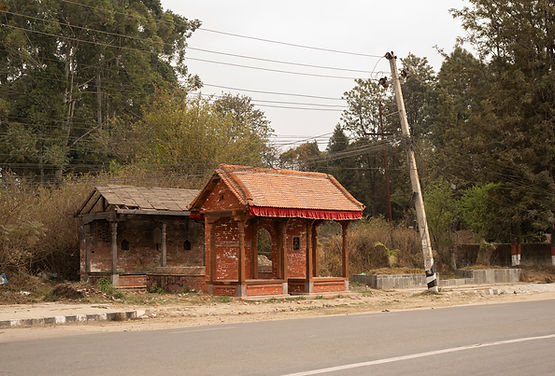
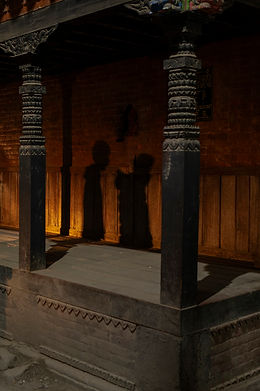


Mostly Every falcha have (Saraswati, god of voice)
Mostly people do here gossip and devotional music.
Near “Falcha” there are always water sources like Hiti or a well.
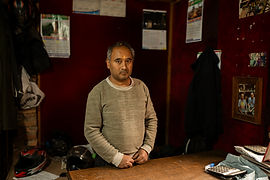

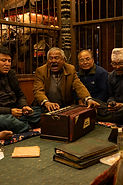
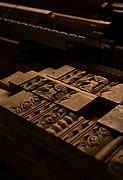
Shiva Dhai Shilpakar and his family have been building falchas for generations.
This work is exhibited in a group exhibition called "Patch"


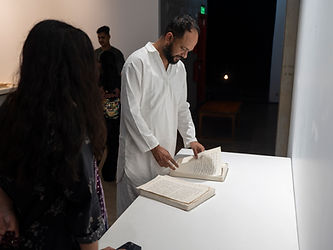
Demo book exhibited in a group exhibition called "Patch"
